
Origins and Identity: The Tale Underlying Bottega Desires
Behind every brand sits a founding rationale — a purpose that goes past just shifting garments — and Bottega Desires is no different. Just the name invites curiosity, echoing closely enough a certain storied Italian maison that shoppers naturally ask questions before they ask about sizing or textile. Such questioning makes sense. Anyone typing “what is bottega desires” into a search bar should get an honest reply, not vague marketing language. The following piece explores where the brand sits in the current fashion landscape, what it really provides, and how it compares to the name it echoes.
Understanding a clothing label means seeing beyond the branding and into the catalog itself: shorts, shirts, hoodies, jorts, and the casual staples that make up a wardrobe. It also means being honest about what someone is purchasing and for what reason. Below, we break down the identity of Bottega Desires one element at a time, without exaggerating or making up information that don’t belong to the brand.
The Origin of the Name
Bottega Desires positions itself within the streetwear-meets-casual-luxury space that has built momentum steadily since 2020. The name leans on recognizability, echoing the rhythm of established Italian fashion houses while building its own separate identity around comfort-driven basics. This is a well-worn approach in modern apparel branding: borrow a familiar-sounding name structure, then build into it a unique brand philosophy.
Its central identity is rooted in laid-back, casual wear rather than formal tailoring or runway-driven design. Shoppers searching for bottega desires clothes are usually after relaxed layering items, not evening wear or structured suiting. That distinction matters because it shapes expectations before a single item ever reaches a cart.
Brand backstories in fashion rarely remain fixed. Brands reshape their identity as demand changes, and Bottega Desires has done the same by expanding from a narrow selection into a more expansive lineup covering multiple categories. The move from bottegadesiresoutlet.com/t-shirts a narrow-focus brand to a broader lifestyle label didn’t happen in a single leap; it happened through incremental additions to the lineup, collection after collection.
The Product Lineup: Shorts, Shirts, Hoodies, Jorts
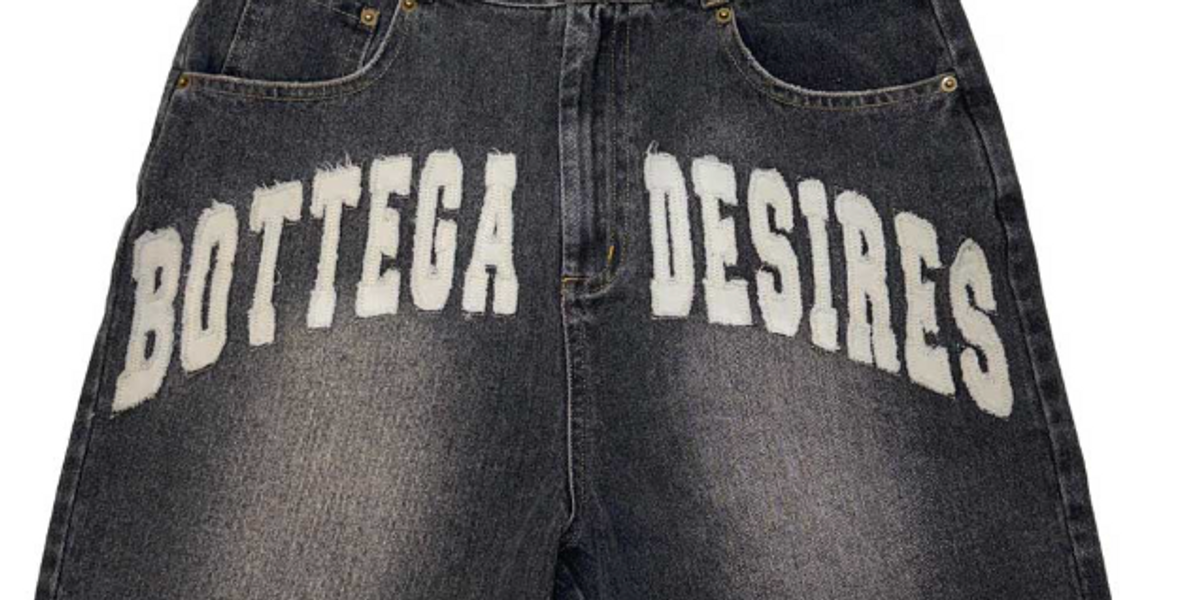
The core of any clothing brand is its catalog, and Bottega Desires forms its brand identity around four anchor categories. Bottega desires shorts act as a summer-ready basic, intended for casual outings rather than sport performance. Bottega desires shirt options complete the upper-body wardrobe, generally statement-driven or minimally branded according to the collection. Bottega desires hoodie garments carry the brand’s cold-weather identity, commonly the top-searched piece in the range per general streetwear purchasing trends. Bottega desires jorts — the denim-and-short crossover — finish off the hot-weather lineup and generally pull in attention specifically since the denim-short cut has resurged widely across casual apparel since 2022.
Instead of pursuing every fleeting trend simultaneously, every product line is meant to meet a specific wardrobe need. That focus is worth noting: a brand that stretches itself across every taste typically weakens its own identity. Bottega Desires, by contrast, appears to focus on a handful of recurring cuts and rework them across collections.
- Short-style pieces — laid-back everyday fit aimed at warm-weather rotation
- Shirt-style pieces — statement and understated designs for regular rotation
- Hoodie pieces — layering garment positioned as a all-season staple
- Jort-style pieces — denim-and-short hybrid reflecting current casualwear demand
This sort of focused catalog structure is common among direct-to-consumer fashion brands launched after 2018, when the direct-to-consumer approach reached maturity and newer brands found that a tight, repeatable product range often converts better than an overwhelming one.
Reading a Bottega Desires Review Honestly
Any bottega desires review appearing online in 2026 ought to be approached with the same scrutiny applied to any DTC apparel brand: verify consistency across several sources, not just a one-off account. Commentary on casualwear brands tend to group around three recurring topics— sizing accuracy, material weight, and delivery experience. Such factors matter more to loyal shoppers than promotional wording ever will.
One lone five-star review says not much on its own — a pattern across dozens of reviews reveals a great deal more, which is why shoppers should treat individual reviews as evidence, not conclusions. When researching bottega desires review content, it helps to zero in on remarks about sizing charts, since casualwear brands often run either accurate-to-size or slightly oversized, and the variation affects how a hoodie or short really fits on the frame.
It’s also worth remembering that the amount of feedback grows over time. A label around for several years will understandably build up more reviews than one still growing its buyer base. That hardly makes early reviews invalid, but it does mean the volume of data influences how trustworthy any overview can turn out to be.
Bottega Desires and Bottega Veneta: Telling the Two Apart
The comparison of bottega desires vs bottega veneta keeps recurring, and it deserves a straightforward, fact-based response rather than a vague deflection. Bottega Veneta is an Italian luxury house founded in 1966 in Vicenza, renowned worldwide for leather goods, the intrecciato weave, and cost levels that regularly run into the thousands of dollars for handbags and accessories. Bottega Desires occupies a wholly distinct price and category tier, centered on casual streetwear — shorts, shirts, hoodies, jorts — at cost levels designed for everyday apparel shoppers rather than luxury accessory buyers.
The two are not affiliated, and shoppers typing in bottega veneta desires as a combined phrase are often trying to determine exactly that: whether the two names are connected between the two names. That connection does not exist, based on the product category, pricing structure, and target customer each brand serves. While Bottega Veneta is rooted in runway-driven luxury and leatherwork, Bottega Desires is grounded in casual, everyday-rotation apparel.
Below, the table breaks down the practical differences shoppers should keep in mind.
| Factor | Bottega Desires | Bottega Veneta |
|---|---|---|
| Product Type | Casual streetwear (shorts, shirts, hoodies, jorts) | Luxury leather goods and ready-to-wear |
| Established | A modern label born out of the streetwear scene | Vicenza, Italy, 1966 |
| Typical Price Tier | Everyday apparel pricing | High-end pricing, frequently reaching four figures |
| Core Customer | Casualwear and streetwear shoppers | Luxury accessory and fashion buyers |
| Ownership | Not tied to any larger group | Owned by Kering group |
This side-by-side makes the distinction clear: two brands with a similar-sounding name but operating in entirely different segments of the fashion market. Customers who grasp this early on can make clearer purchasing decisions instead of presuming a common heritage that isn’t real.
What This Identity Means for Shoppers in 2026
For shoppers browsing in 2026, the key point is straightforward: Bottega Desires is a streetwear-focused brand shaping its own brand identity around shorts, shirts, hoodies, and jorts, not a sub-line of an Italian luxury house. This distinction is important when forming expectations around fabric, pricing, and overall positioning before checkout.
Customers seeking streetwear basics — a hoodie for layering, a shirt for daily rotation, shorts or jorts for warmer months — are precisely the customer base this label targets. Those searching for structured leather goods or formal luxury pieces are searching in an entirely different category, and that’s not a criticism of either brand; it just comes down to differing market segments.
Heading further into 2026, as the casualwear market continues to grow, brands such as Bottega Desires will probably keep sharpening their core lineup instead of pursuing a luxury positioning that was never their goal. Being clear on this beforehand helps shoppers keep their expectations in check and make a purchase decision based on evidence rather than guesswork drawn from a coincidentally similar brand name.

